¶ Introduction
CAN bus logs should preferably be recorded while the device is connected via USB.
Remote recording over a 4G connection is also supported, provided that the connection to the device is stable.
Logs recorded over a 2G connection are not suitable for CAN parameter decoding.
If the required decoding file is not available in the CAN Decoding File Library, or the required parameter is not included in an existing decoding file, CAN bus logs must be recorded from the vehicle.
-
First, verify that CAN data is available at the selected connection point by following the recommendations in the Connection Diagnostics article.
-
For detailed instructions on using the log recording interface, refer to the CAN Bus Logging article.
-
Send the recorded logs to Navtelecom Technical Support:
- Email the recorded logs to support@navtelecom.ru.
- Provide access to the device through your monitoring platform with permission to create and send commands. If this is not possible, provide the device phone number and IMEI instead (this may increase the analysis time).
If the device is password-protected, remove the passwords before contacting support or include them in your email.
¶ Recommendations
This article provides detailed recommendations for recording CAN logs and videos.
Examples of recorded videos are available here.
This article includes:
¶ Preparation
To maximize the chances of successful parameter detection, provide as much information as possible about the vehicle and the actions performed during recording.
¶ Vehicle Setup
- Connect to the CAN bus.
- Verify that CAN data is available with the engine running by following the Connection Diagnostics guide.
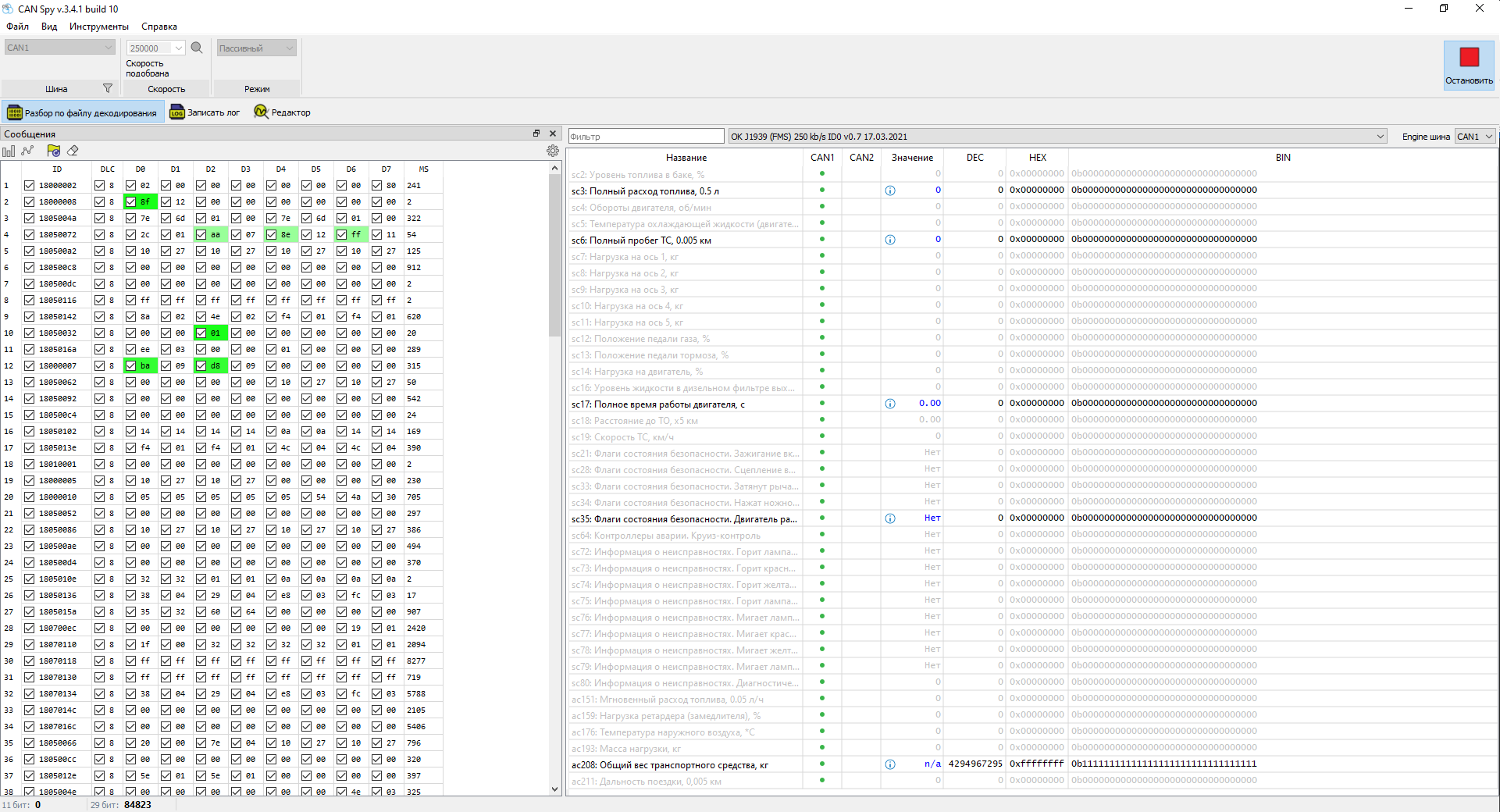
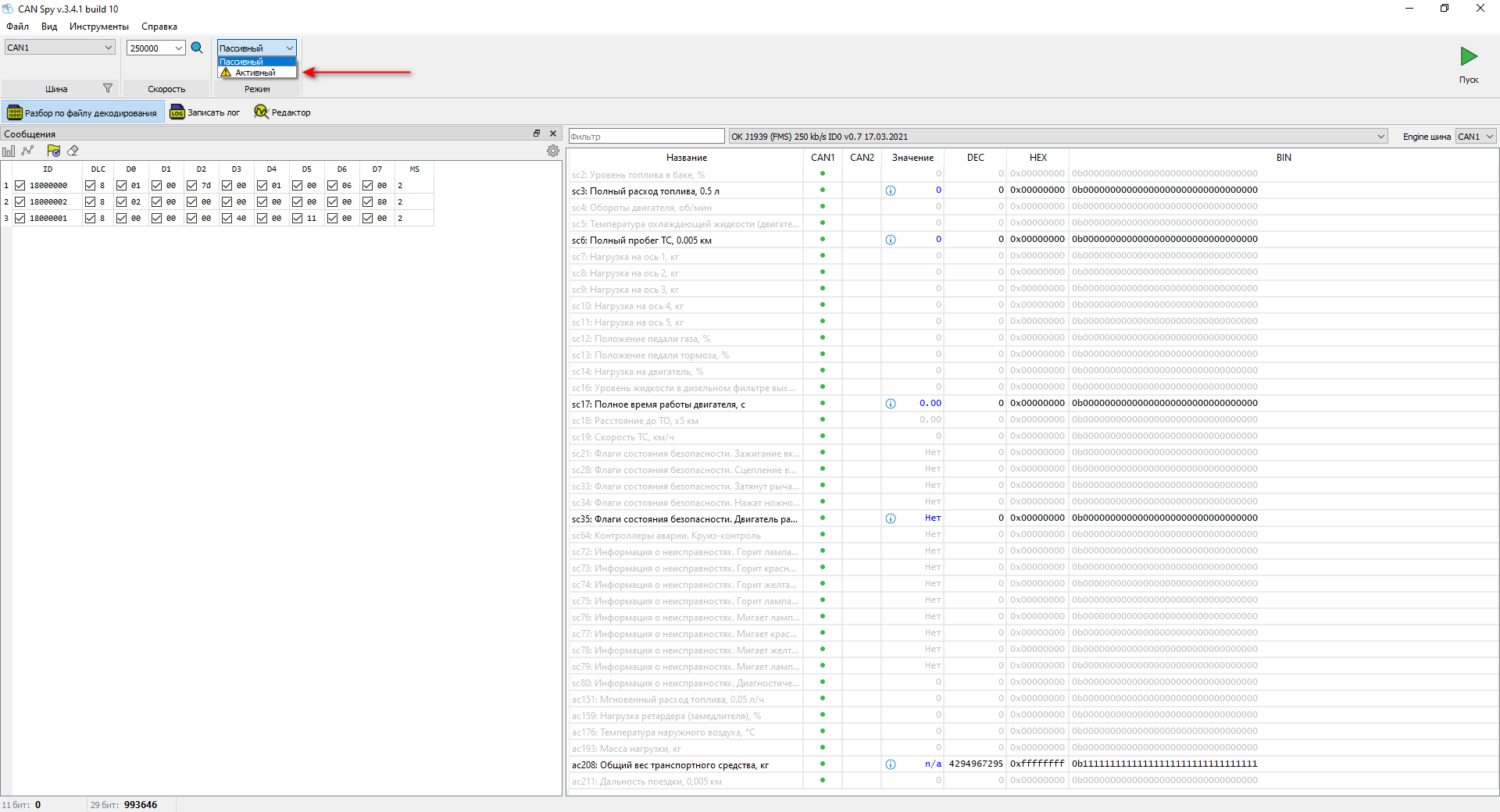
If fewer than five CAN messages are detected, try switching the CAN bus reading mode to Active.More details
¶ Log Recording Setup
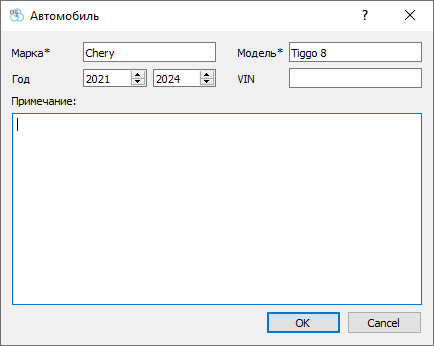
- Add the vehicle and complete its information.
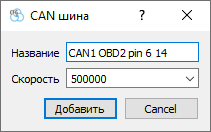
- Add a CAN bus connection point. In the name, specify the connection location, wire colors, or connector pin numbers.
For detailed instructions on using the log recording interface, refer to the CAN Bus Logging article.
¶ Recording a Log with Video
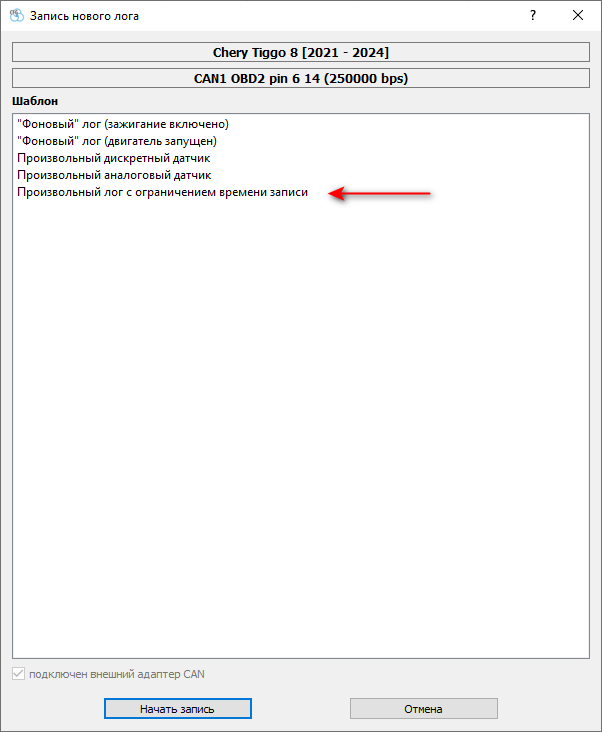
- Select Custom Log with Limited Recording Time.
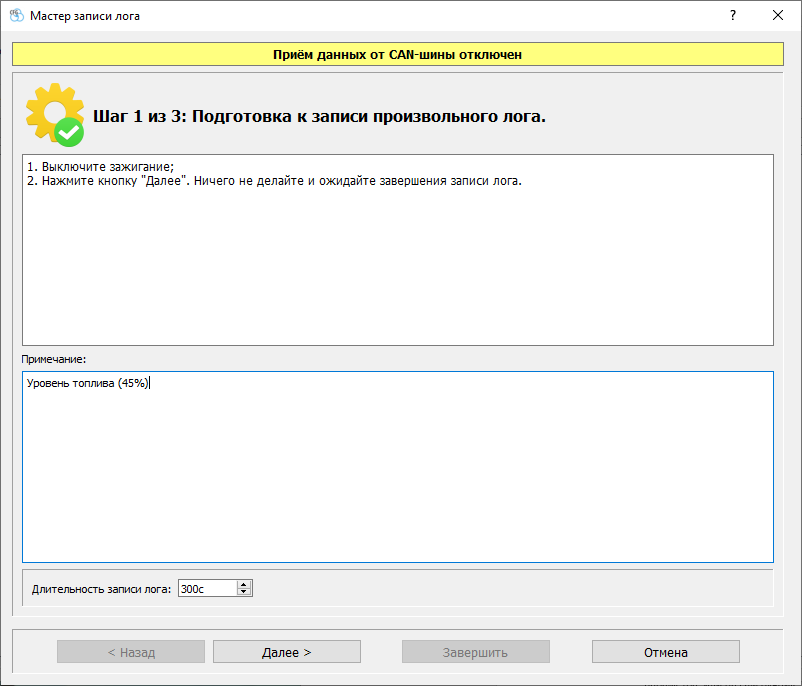
Always specify sensor readings in the log notes.
This information is essential for accurate analysis and interpretation of CAN data. Without sensor readings, the analysis may be incomplete or inaccurate.
¶ Fuel Level
- Record the moment when log recording starts.
- Record the current fuel level displayed on the instrument cluster.
- Perform three refueling operations.
| Fuel Tank Capacity | Approximate Volume per Refueling |
|---|---|
| < 70 L | 10 L |
| 70 L ... 200 L | 20 L ... 30 L |
| > 200 L | 50 L |
¶ Engine RPM
- Record the moment when log recording starts.
- Record the tachometer reading.
- Gradually increase and decrease the engine speed for approximately one minute.
- Hold the engine speed at 2000 RPM for 10 seconds.
- Stop both the log recording and the video recording.
¶ Parking Brake Position
- Record the moment when log recording starts.
- Record the parking brake position or the corresponding indicator on the instrument cluster.
- Apply and release the parking brake three times.
¶ Engine Temperature
¶ Record three logs:
- Immediately after starting a cold engine.
- While the engine is warming up.
- After the engine reaches normal operating temperature.
¶ Record on video:
- The moment when log recording starts.
- The engine temperature shown on the instrument cluster.
¶ Estimated Fuel Consumption
- Record the moment when log recording starts.
- Let the engine idle for 30 seconds.
- Run the engine at 2000 RPM for another 30 seconds.
¶ Recording a Log without Video
- Select Custom Log with Limited Recording Time.
More details
Always specify sensor readings in the log notes.
This information is essential for accurate analysis and interpretation of CAN data. Without sensor readings, the analysis may be incomplete or inaccurate.
¶ Vehicle Mileage
Record two logs:
- Record a log at the current vehicle mileage.
- Drive at least 10 km.
- Record another log after the trip.
The same procedure can also be used for Total Engine Hours and Total Fuel Consumption.